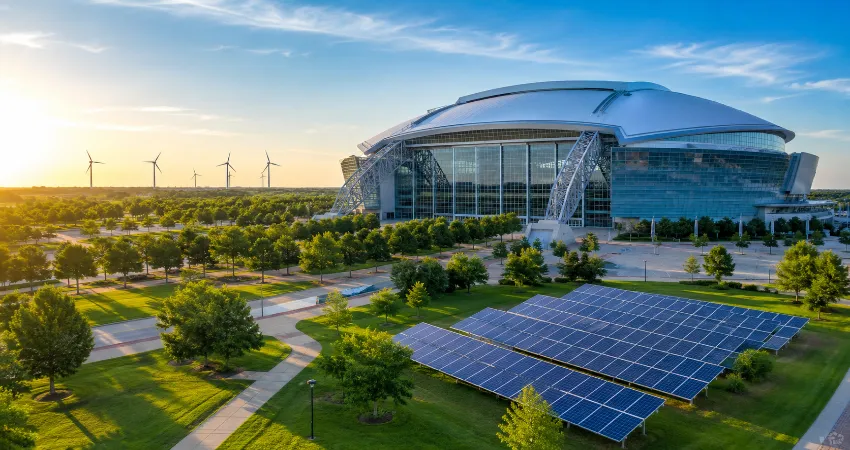
Sustainability in Modern Sports: How AT&T Stadium Manages Energy and Eco-Friendly Events

Sustainability has become a major focus across many industries, and the sports sector is no exception. As millions of fans attend sporting events every year, stadiums consume significant amounts of electricity, water, and other resources. Modern sports venues are now expected to balance entertainment, operational efficiency, and environmental responsibility. This shift has encouraged stadium operators to adopt innovative sustainability practices that reduce environmental impact while maintaining a world-class fan experience.
One of the most recognized sports venues in the United States is AT&T Stadium, home of the Dallas Cowboys. Known for its massive capacity, advanced technology, and iconic architecture, the stadium also demonstrates how large sports facilities can integrate sustainable practices into daily operations.
Through energy management systems, waste reduction programs, water conservation efforts, and environmentally conscious event planning, AT&T Stadium has become an example of sustainability in modern sports.
This article explores how AT&T Stadium manages energy use and eco-friendly events while supporting broader environmental goals within the sports and entertainment industry.
The Growing Importance of Sustainability in Sports
Sports venues attract thousands of spectators, requiring substantial amounts of electricity, water, transportation services, food operations, and waste management. Without proper planning, these activities can create a considerable environmental footprint. As environmental awareness grows, sports organizations are increasingly adopting sustainable practices to reduce emissions, conserve resources, and meet community expectations.
Sustainability initiatives not only benefit the environment but can also reduce operating costs, improve public perception, and create healthier spaces for fans, athletes, and employees. Modern stadiums are now designed and operated with long-term environmental goals in mind.
An Overview of AT&T Stadium
Located in Arlington, Texas, AT&T Stadium is one of the largest and most technologically advanced sports venues in North America. Since opening in 2009, it has hosted professional football games, college championships, concerts, international sporting events, and large-scale entertainment productions.
Because of its enormous size and year-round event schedule, efficient resource management is essential. The stadium’s operational teams continuously seek ways to improve efficiency while maintaining the high standards expected by visitors and event organizers.
Advanced Energy Management Systems
One of the most important aspects of sustainability at AT&T Stadium is energy management. Large venues require extensive lighting, heating, cooling, digital displays, and operational equipment. To minimize unnecessary energy consumption, the stadium utilizes advanced building management systems that monitor and control energy usage throughout the facility.
These systems allow operators to adjust lighting levels, temperature settings, and equipment operation based on occupancy and event schedules. Rather than running all systems at maximum capacity continuously, energy can be allocated where and when it is needed. This approach helps improve efficiency and reduce overall electricity consumption.
Energy-Efficient Lighting Solutions
Lighting represents a significant portion of energy use in large sports facilities. AT&T Stadium has incorporated energy-efficient lighting technologies that provide excellent visibility while consuming less power than traditional systems.
Modern LED lighting solutions are commonly used in stadium environments because they offer longer lifespans, reduced maintenance requirements, and lower electricity consumption. These systems can also be programmed to adjust brightness levels according to operational needs, further supporting energy conservation efforts.
Efficient Climate Control and HVAC Operations
Texas weather can be extremely hot, making climate control a major operational requirement. Heating, ventilation, and air conditioning systems account for a large share of energy use in stadium facilities.
AT&T Stadium employs sophisticated HVAC management strategies designed to optimize indoor comfort while minimizing energy waste. Automated controls help regulate temperature based on occupancy levels, weather conditions, and event schedules. By avoiding unnecessary cooling or heating in unused areas, the stadium can significantly improve overall efficiency.
Water Conservation Initiatives
Sustainability extends beyond energy management. Water conservation is another important component of environmentally responsible stadium operations. Large venues require water for restrooms, food preparation, cleaning, and landscape maintenance.
AT&T Stadium has implemented various conservation measures aimed at reducing water consumption. Efficient plumbing fixtures, monitoring systems, and responsible landscaping practices help limit water waste while maintaining a high-quality guest experience. Water-saving technologies can make a meaningful difference when thousands of visitors attend an event.
Waste Reduction and Recycling Programs
Major sporting events generate substantial amounts of waste, including food containers, beverage cups, packaging materials, and promotional items. Effective waste management is essential for reducing landfill contributions and improving sustainability outcomes.
AT&T Stadium supports recycling initiatives that encourage the separation and collection of recyclable materials. Event staff and operational teams work to divert waste from landfills whenever possible. Recycling programs help recover valuable materials while promoting environmental awareness among visitors.
Sustainable Event Operations
Hosting eco-friendly events requires coordination across multiple operational areas. From vendor management to facility maintenance, sustainability principles can influence many aspects of event planning.
AT&T Stadium incorporates environmentally conscious practices during major events by encouraging responsible waste disposal, optimizing energy use, and improving operational efficiency. These efforts demonstrate that large-scale entertainment experiences can be delivered while reducing environmental impact.
Environmentally Responsible Food and Beverage Services
Food and beverage operations represent another opportunity to improve sustainability. Modern stadiums increasingly seek ways to reduce food waste, improve packaging practices, and support environmentally responsible sourcing.
By working with vendors and suppliers that prioritize sustainability, large venues can strengthen their environmental programs. Reducing unnecessary packaging and improving waste management within concession operations contribute to broader sustainability objectives.
Transportation and Emission Reduction Efforts
Transportation is often one of the largest sources of emissions associated with sporting events. Thousands of fans traveling to and from a stadium can create significant environmental impacts.
Event organizers and stadium operators can encourage more sustainable transportation choices through public transit access, ridesharing options, and efficient traffic management. While transportation challenges remain complex, reducing vehicle congestion can help improve both environmental and visitor outcomes.
The Role of Technology in Sustainable Stadium Operations
Technology plays a critical role in modern sustainability programs. Smart sensors, data analytics platforms, and automated controls allow stadium operators to identify inefficiencies and make informed decisions.
AT&T Stadium benefits from advanced technology infrastructure that supports resource monitoring and operational optimization. Real-time data enables facility managers to respond quickly to changing conditions, improving efficiency across multiple systems.
Community Engagement and Environmental Awareness
Sustainability efforts become more effective when fans, employees, vendors, and local communities are involved. Educational campaigns and visible sustainability initiatives can encourage environmentally responsible behavior among visitors.
Large venues like AT&T Stadium have the opportunity to influence public awareness by demonstrating practical sustainability solutions. As millions of people attend events or watch broadcasts, stadium sustainability programs can inspire broader environmental responsibility.
Challenges of Sustainability in Large Sports Venues
Despite significant progress, sustainability remains a complex challenge for large stadiums. High attendance numbers, extensive infrastructure requirements, and diverse event schedules create operational demands that require careful management.
Balancing fan comfort, event quality, safety standards, and environmental goals requires ongoing investment and innovation. Continuous improvements in technology and operational practices are necessary to achieve long-term sustainability objectives.
The Future of Eco-Friendly Sports Facilities
The future of sports venue management is expected to place even greater emphasis on sustainability. Renewable energy adoption, smarter building technologies, enhanced recycling programs, and improved resource efficiency will likely become standard features in modern stadium operations.
AT&T Stadium represents how large-scale venues can integrate sustainability into everyday operations while continuing to host world-class sporting and entertainment events. As environmental expectations evolve, sports facilities will play an increasingly important role in promoting sustainable development.
FAQs About AT&T Stadium Manages Energy and Eco-Friendly Events
1. Why is sustainability important in sports stadiums?
Sustainability is important because stadiums consume large amounts of energy, water, and materials. Implementing environmentally responsible practices helps reduce resource consumption, lower emissions, decrease operating costs, and support long-term environmental goals while maintaining a positive fan experience.
2. What makes AT&T Stadium a modern sports venue?
AT&T Stadium is considered a modern sports venue due to its advanced technology infrastructure, large seating capacity, innovative design, and sophisticated operational systems. These features enable efficient management of events and support sustainability initiatives.
3. How does energy management help reduce environmental impact?
Energy management systems monitor and control electricity usage throughout the facility. By optimizing lighting, climate control, and equipment operations, stadiums can reduce energy waste and lower overall resource consumption.
4. Why are LED lights commonly used in stadiums?
LED lights consume less electricity, last longer, and require less maintenance than traditional lighting systems. They also provide excellent illumination quality, making them ideal for sports venues and large-scale entertainment events.
5. How can stadiums conserve water?
Water conservation can be achieved through efficient plumbing fixtures, smart monitoring systems, responsible landscaping practices, and maintenance procedures that minimize unnecessary water use throughout the facility.
6. What types of waste are commonly recycled at sporting events?
Common recyclable materials include plastic bottles, aluminum cans, cardboard, paper products, and certain food packaging materials. Recycling programs help divert these materials from landfills and support resource recovery.
7. How does technology support sustainability in stadiums?
Technology provides real-time monitoring, automation, and data analysis capabilities. These tools help facility managers identify inefficiencies, optimize resource usage, and make informed operational decisions that improve sustainability performance.
8. What role do fans play in sustainable sporting events?
Fans contribute by properly disposing of waste, participating in recycling programs, using sustainable transportation options when possible, and supporting environmentally responsible practices promoted by event organizers.
9. Can sustainability initiatives reduce operating costs?
Yes. Improved energy efficiency, reduced water consumption, lower maintenance requirements, and effective waste management programs can generate significant cost savings over time while also benefiting the environment.
10. What is the future of sustainable sports venues?
The future will likely include greater use of renewable energy, smarter building technologies, advanced resource monitoring systems, and expanded environmental programs. These developments will help stadiums become more efficient and environmentally responsible.
Conclusion
Sustainability has become a fundamental part of modern sports venue management, and AT&T Stadium demonstrates how large facilities can incorporate environmentally responsible practices into daily operations.
Through energy-efficient systems, water conservation measures, recycling initiatives, advanced technology, and eco-friendly event management, the stadium shows that sustainability and world-class entertainment can work together effectively.
As the sports industry continues to evolve, venues that prioritize environmental responsibility will play an increasingly important role in creating a more sustainable future.