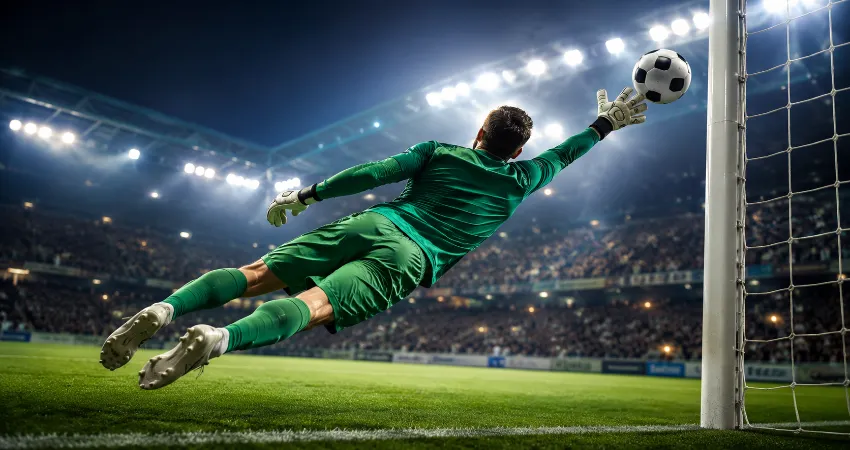

In football, goals often receive the most attention. Strikers become household names, and spectacular attacking moments are remembered for generations. However, behind every successful team stands a goalkeeper whose performances provide the foundation for victory. A clean sheet is not simply a statistic; it is a reflection of concentration, leadership, positioning, and technical excellence.
Throughout football history, several goalkeepers have elevated their role far beyond traditional expectations. They transformed the position through innovation, consistency, and remarkable performances under pressure. Their influence extended beyond stopping shots, helping shape tactics, organize defenses, and inspire teammates.
This article explores some of the most legendary goalkeepers who redefined the art of keeping clean sheets. From commanding penalty areas to revolutionizing ball distribution, these football icons left a lasting legacy that continues to influence modern goalkeeping.
The Importance of Clean Sheets in Football
A clean sheet occurs when a team prevents its opponents from scoring throughout an entire match. While defenders play a crucial role, the goalkeeper remains the final line of protection. Maintaining clean sheets requires excellent communication, positioning, reflexes, decision-making, and mental resilience.
Great goalkeepers understand the game beyond simple shot-stopping. They anticipate danger, organize defensive structures, and often prevent scoring opportunities before they fully develop. Their presence can significantly improve a team’s confidence and overall defensive stability.
Lev Yashin: The Pioneer of Modern Goalkeeping
Often regarded as the greatest goalkeeper in football history, Lev Yashin revolutionized the position during the mid-twentieth century. Nicknamed “The Black Spider” due to his black kit and extraordinary reach, Yashin introduced a more proactive style of goalkeeping.
Unlike many goalkeepers of his era, he frequently left his goal line to intercept attacks and direct his defenders. His command of the penalty area and exceptional reflexes made him one of the most feared goalkeepers in the world. Yashin remains the only goalkeeper to win the Ballon d’Or, a testament to his immense influence on the game.
Dino Zoff: The Symbol of Consistency
Dino Zoff built his reputation through remarkable consistency and composure. The Italian legend demonstrated that goalkeeping excellence is not only about spectacular saves but also about reliability and intelligent positioning.
Zoff captained Italy to victory at the 1982 FIFA World Cup at the age of 40, showcasing extraordinary leadership and concentration. His calm demeanor under pressure helped define a generation of defensive football and inspired countless future goalkeepers.
Peter Schmeichel: The Commanding Presence
Peter Schmeichel became one of football’s most dominant goalkeepers during the 1990s. Known for his imposing physique and powerful personality, he transformed the defensive structure of every team he represented.
His ability to organize defenders, make crucial one-on-one saves, and dominate aerial situations contributed significantly to Manchester United’s success. Schmeichel’s aggressive approach and leadership qualities helped redefine expectations for modern goalkeepers.
Oliver Kahn: The Ultimate Competitor
Oliver Kahn earned worldwide respect through his fierce determination and relentless competitive spirit. The German goalkeeper became famous for his exceptional work ethic, concentration, and refusal to accept mistakes.
Kahn’s performances during major international tournaments demonstrated his ability to perform under extreme pressure. His commanding presence often intimidated opponents, while his shot-stopping ability helped secure numerous clean sheets throughout his illustrious career.
Gianluigi Buffon: The Definition of Longevity
Few players have maintained elite performance levels for as long as Gianluigi Buffon. Over more than two decades, Buffon consistently demonstrated outstanding reflexes, positioning, and leadership.
His success with both club and country highlighted the importance of experience and tactical intelligence. Buffon’s ability to adapt to different football eras allowed him to remain one of the world’s best goalkeepers well into his late career, earning widespread admiration from fans and professionals alike.
Iker Casillas: The Master of Big Moments
Iker Casillas built a legendary reputation through his performances in football’s biggest matches. The Spanish goalkeeper possessed extraordinary reflexes and exceptional composure under pressure.
Casillas played a crucial role during Spain’s golden era, helping his nation secure major international trophies. His ability to produce decisive saves at critical moments made him one of the most reliable goalkeepers in football history.
Petr Čech: Excellence Through Preparation
Petr Čech became synonymous with consistency and professionalism. Known for his meticulous preparation and technical precision, he established himself as one of the Premier League’s greatest goalkeepers.
His record-breaking clean sheet achievements reflected not only individual brilliance but also his ability to maintain focus throughout entire seasons. Čech’s influence extended beyond his saves, as he consistently organized defensive units with remarkable efficiency.
Manuel Neuer: Revolutionizing the Sweeper-Keeper Role
Modern football has witnessed significant tactical evolution, and Manuel Neuer stands at the center of that transformation. The German goalkeeper popularized the sweeper-keeper role, regularly operating outside the penalty area to support his defense.
Neuer’s exceptional distribution, anticipation, and confidence with the ball challenged traditional goalkeeping conventions. His style influenced coaches and players worldwide, making him one of the most important goalkeeping innovators of the modern era.
The Evolution of Goalkeeping Techniques
The role of goalkeepers has changed dramatically over the decades. Earlier generations focused primarily on shot-stopping and catching crosses. Today’s goalkeepers must also contribute to build-up play, distribute accurately, and participate in tactical systems.
Advances in sports science, video analysis, and specialized training have elevated goalkeeping standards. Legendary goalkeepers helped drive these developments by continually pushing the boundaries of what was possible in their position.
Leadership and Communication: Hidden Keys to Clean Sheets
One of the most overlooked aspects of goalkeeping is communication. Great goalkeepers constantly direct defenders, identify threats, and maintain defensive organization.
Leadership often separates good goalkeepers from truly legendary ones. By controlling defensive shape and motivating teammates, elite goalkeepers contribute to clean sheets long before an opponent takes a shot on goal.
How Legendary Goalkeepers Influenced Future Generations?
The impact of legendary goalkeepers extends beyond their individual achievements. Young players study their techniques, coaches adopt their methods, and clubs build development programs around their principles.
From Yashin’s proactive style to Neuer’s sweeper-keeper approach, each generation has introduced new ideas that continue shaping modern football. Their legacies remain visible in every elite goalkeeper competing today.
FAQs About Legendary Goalkeepers
1. What makes a goalkeeper legendary?
A legendary goalkeeper combines exceptional technical skills, consistency, leadership, and influence on the game. Beyond making saves, they redefine expectations for their position and leave a lasting impact on football history.
2. Why are clean sheets important in football?
Clean sheets demonstrate defensive effectiveness and greatly increase a team’s chances of winning matches. They reflect strong teamwork, tactical discipline, and outstanding goalkeeping performance.
3. Who is widely considered the greatest goalkeeper of all time?
Many football historians regard Lev Yashin as the greatest goalkeeper ever. His innovations, achievements, and unique influence on the evolution of goalkeeping set him apart from many of his peers.
4. What is a sweeper-keeper?
A sweeper-keeper is a goalkeeper who actively leaves the penalty area to intercept attacks and support defensive play. Manuel Neuer is often credited with popularizing this modern approach at the highest level.
5. How do goalkeepers contribute to clean sheets besides making saves?
Goalkeepers organize defenses, communicate with teammates, anticipate danger, and make strategic decisions that prevent scoring opportunities from developing. Their influence extends far beyond shot-stopping.
6. Why is leadership important for goalkeepers?
Since goalkeepers have a full view of the field, they are uniquely positioned to direct defenders and maintain organization. Strong leadership often helps reduce defensive errors and improve overall team performance.
7. Which goalkeeper is known for exceptional longevity?
Gianluigi Buffon is widely celebrated for maintaining world-class standards across more than two decades. His longevity demonstrated the value of experience, fitness, and adaptability.
8. How has modern goalkeeping changed compared to the past?
Modern goalkeepers are expected to contribute to possession play, distribute accurately, and participate in tactical systems. Earlier generations focused more heavily on traditional shot-stopping responsibilities.
9. What qualities are most important for achieving clean sheets?
Positioning, concentration, communication, reflexes, decision-making, and teamwork all play essential roles. Successful clean sheets result from a combination of individual excellence and collective defensive effort.
10. Can a goalkeeper influence a team’s success significantly?
Yes. An elite goalkeeper can save crucial points, inspire confidence throughout the team, and provide stability during difficult matches. Many championship-winning teams have relied heavily on outstanding goalkeeping performances.
Conclusion
Legendary goalkeepers have shaped football history through their extraordinary ability to protect the goal and inspire those around them. From Lev Yashin’s pioneering methods to Manuel Neuer’s modern innovations, these icons transformed the role and elevated the importance of clean sheets.
Their achievements continue to influence today’s game, proving that great goalkeeping remains one of football’s most valuable and respected arts.