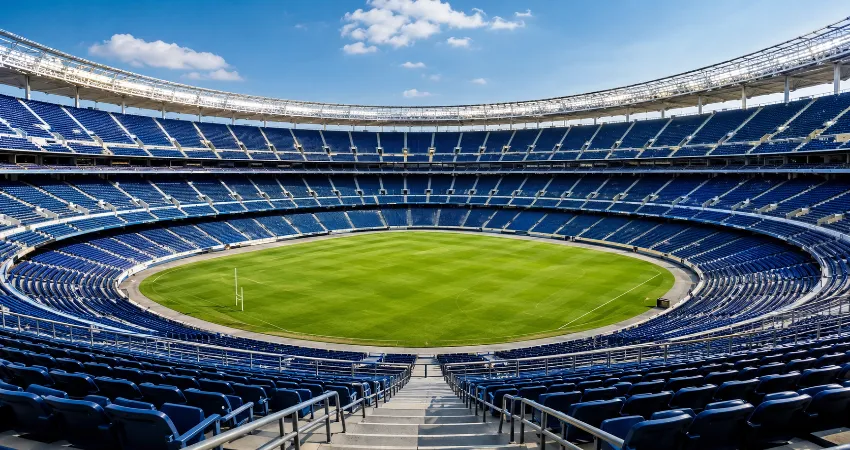

North America is home to some of the most impressive sports and entertainment venues in the world. These massive stadiums are more than just places where games are played; they are iconic landmarks that have hosted historic sporting events, international competitions, concerts, and cultural celebrations. Their enormous capacities allow hundreds of thousands of fans to gather and experience unforgettable moments together.
From legendary college football venues in the United States to world-famous multipurpose stadiums in Mexico and Canada, North America’s largest stadiums reflect the region’s passion for sports and entertainment. Many of these venues have witnessed championship victories, record-breaking performances, and milestone events that have shaped sporting history.
In this article, we explore the top 10 largest stadiums in North America, examining their seating capacities, historical significance, and some of the most notable events they have hosted throughout their existence.
Top 10 Largest Stadiums in North America: Capacity, Legacy, and Key Events
1. Michigan Stadium – Ann Arbor, Michigan, USA
Michigan Stadium, often called “The Big House,” is the largest stadium in North America and one of the largest in the world. Home to the University of Michigan Wolverines football team, the stadium has a seating capacity exceeding 107,000 spectators. Opened in 1927, it has undergone multiple renovations while preserving its historic character.
The venue regularly hosts college football games with crowds surpassing 110,000 attendees. It has also hosted international soccer matches and major sporting events, demonstrating its versatility and significance.
2. Beaver Stadium – University Park, Pennsylvania, USA
Beaver Stadium is the home of the Penn State Nittany Lions football team and ranks among the largest stadiums in the world. With a capacity of more than 106,000 spectators, it is renowned for its electrifying atmosphere during college football games.
Since opening in 1960, Beaver Stadium has become a symbol of college football excellence. The famous “White Out” games held here attract national attention and showcase one of the most passionate fan bases in sports.
3. Ohio Stadium – Columbus, Ohio, USA
Known as “The Horseshoe” because of its distinctive shape, Ohio Stadium can accommodate more than 102,000 fans. It serves as the home venue for the Ohio State Buckeyes football program and is one of the most recognizable stadiums in the United States.
The stadium has hosted countless high-profile college football games, major ceremonies, and international sporting events. Its long history and consistent attendance figures make it one of North America’s most celebrated venues.
4. Kyle Field – College Station, Texas, USA
Kyle Field is home to Texas A&M University’s football team and features a seating capacity of over 102,000 spectators. Following extensive renovations completed in the 2010s, the stadium became one of the largest and most modern sports venues in North America.
The facility is famous for its enthusiastic fan culture and traditions. Major college football rivalries and nationally televised games regularly fill the stadium to capacity.
5. Neyland Stadium – Knoxville, Tennessee, USA
Neyland Stadium, home of the Tennessee Volunteers football team, seats more than 101,000 fans. Located along the Tennessee River, the venue offers a unique game-day experience and has been a cornerstone of college football since its opening in 1921.
Over the decades, the stadium has hosted numerous conference championships and memorable football contests that have contributed to its legendary status.
6. Tiger Stadium – Baton Rouge, Louisiana, USA
Tiger Stadium, often referred to as “Death Valley,” is one of the most intimidating venues in college sports. With a capacity exceeding 100,000 spectators, it serves as the home of Louisiana State University’s football program.
The stadium is particularly famous for its night games, where the atmosphere created by fans is considered among the best in American sports. Its reputation has made it a destination for football enthusiasts nationwide.
7. Darrell K Royal–Texas Memorial Stadium – Austin, Texas, USA
This iconic stadium is the home of the University of Texas Longhorns football team and accommodates more than 100,000 spectators. Opened in 1924, it has undergone significant upgrades while maintaining its historic appeal.
The venue has hosted major college football rivalries and numerous nationally significant sporting events. Its location in Austin adds to its appeal as a major destination for sports fans.
8. Bryant–Denny Stadium – Tuscaloosa, Alabama, USA
Bryant–Denny Stadium is home to the University of Alabama Crimson Tide football team. With a capacity of over 100,000 fans, it is one of the most successful and historically significant venues in college football.
The stadium has witnessed multiple championship-winning seasons and remains a central part of Alabama’s sporting culture. Its consistent attendance reflects the enduring popularity of the program.
9. Estadio Azteca – Mexico City, Mexico
Estadio Azteca is one of the most famous stadiums in the world and the largest stadium in Mexico. It can accommodate approximately 87,000 spectators and has played a major role in international football history.
The stadium is unique because it hosted FIFA World Cup finals in both 1970 and 1986. Legendary players such as Diego Maradona and Pelé performed on its field, cementing its status as a global sporting icon.
10. Rose Bowl Stadium – Pasadena, California, USA
The Rose Bowl Stadium has a seating capacity of around 88,500 and is among the most historic venues in North America. Opened in 1922, it has hosted the annual Rose Bowl Game for more than a century.
In addition to college football, the stadium has welcomed FIFA World Cup matches, Olympic events, major concerts, and numerous cultural celebrations. Its historical significance extends well beyond sports.
Why Large Stadiums Matter in North America?
Large stadiums play a crucial role in the sporting and cultural landscape of North America. They generate economic activity, attract tourism, create employment opportunities, and provide venues for large-scale community events. Their size allows organizers to accommodate huge crowds while creating memorable experiences for fans.
These venues also serve as symbols of regional pride. Universities, cities, and countries often view their stadiums as landmarks that represent local heritage and sporting traditions.
Historic Events Hosted by North America’s Largest Stadiums
Many of these stadiums have hosted landmark events that extend beyond sports. International soccer tournaments, Olympic competitions, championship games, graduation ceremonies, and world-renowned concerts have all taken place within these massive venues.
Estadio Azteca’s World Cup finals, the Rose Bowl’s Olympic history, and Michigan Stadium’s record-breaking attendance figures illustrate how these facilities continue to shape sports and entertainment history across the continent.
FAQs About Largest Stadiums in North America
1. Which is the largest stadium in North America?
Michigan Stadium in Ann Arbor, Michigan, is currently the largest stadium in North America. Its official capacity exceeds 107,000 spectators, making it one of the biggest sporting venues in the world.
2. What sport is most commonly played in these large stadiums?
Most of the largest stadiums in North America are primarily used for college football. However, several venues also host soccer matches, concerts, and other major events throughout the year.
3. Which stadium has hosted FIFA World Cup finals?
Estadio Azteca in Mexico City has hosted two FIFA World Cup finals. This achievement makes it one of the most historically significant football stadiums globally.
4. Why are college football stadiums so large?
College football enjoys immense popularity in the United States. Major university programs attract huge fan bases, resulting in the need for stadiums capable of accommodating over 100,000 spectators.
5. What is the oldest stadium on this list?
The Rose Bowl Stadium, opened in 1922, is among the oldest stadiums featured in this ranking. It remains an active and highly respected venue today.
6. Are these stadiums used only for sports?
No. Many of these venues host concerts, graduation ceremonies, community gatherings, cultural festivals, and international sporting competitions in addition to their primary sporting functions.
7. Which stadium is considered the most famous internationally?
Estadio Azteca is generally regarded as the most internationally recognized stadium on the list because of its World Cup history and association with legendary football players.
8. How do stadium renovations affect capacity?
Renovations can either increase or decrease seating capacity depending on design goals. Modern upgrades often focus on improving fan comfort, accessibility, and technology while maintaining large attendance figures.
9. Do these stadiums contribute to local economies?
Yes. Large stadiums generate substantial economic benefits through tourism, hospitality spending, job creation, and hosting major events that attract visitors from around the world.
10. Will North America continue building larger stadiums?
Future stadium development is likely to focus more on fan experience, technology, and sustainability rather than simply increasing seating capacity. However, large venues will continue to play an important role in major sporting events.
Conclusion
The largest stadiums in North America represent far more than their impressive seating capacities. They are historic landmarks that bring communities together, celebrate sporting excellence, and host unforgettable events.
From Michigan Stadium’s record-breaking crowds to Estadio Azteca’s World Cup legacy and the Rose Bowl’s century-long tradition, these venues continue to define the continent’s rich sporting culture and remain among the most iconic stadiums in the world.