A Complete History of World Cup Mascot Designs and Their Cultural Meanings

The FIFA World Cup is widely recognized as the most prestigious tournament in international football. Beyond the excitement on the pitch, the event has created a rich tradition of symbols, logos, and mascots that help define each tournament’s identity. Among these elements, World Cup mascots hold a unique place because they serve as friendly ambassadors that connect fans, cultures, and host nations.
Since the introduction of the first official World Cup mascot in 1966, these characters have evolved from simple cartoon figures into sophisticated cultural symbols. Each mascot reflects the traditions, values, wildlife, history, or aspirations of the host country. They are designed not only to entertain children but also to communicate a deeper message about national identity and global unity.
This article explores the complete history of FIFA World Cup mascot designs and examines the cultural meanings behind each character. From classic animal figures to modern digital creations, World Cup mascots provide a fascinating window into the changing relationship between sports, culture, and global audiences.
The Birth of the World Cup Mascot Tradition
The concept of an official World Cup mascot began with the 1966 FIFA World Cup in England. Organizers wanted a memorable symbol that could appeal to families, promote merchandise, and create a friendly image for the tournament. The result was a character that became an instant success and established a tradition that continues today.
Since then, every FIFA World Cup has featured an official mascot. While early mascots focused on simple and recognizable designs, later tournaments introduced characters that reflected local culture, folklore, technology, and environmental themes.
World Cup Willie (England 1966)
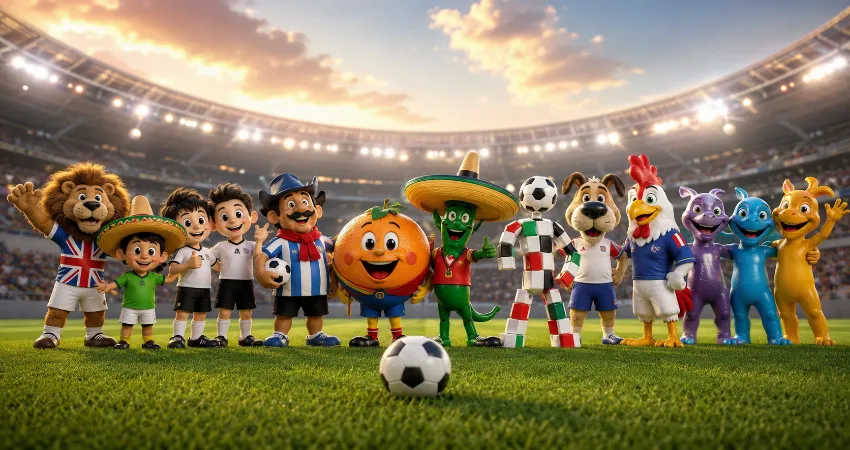
World Cup Willie was the first official World Cup mascot. Designed as a lion wearing a Union Jack jersey, Willie represented one of England’s most famous national symbols. The lion has long been associated with British history, courage, and royal heritage.
The mascot’s cultural meaning centered on national pride and hospitality. Willie helped create a friendly atmosphere for international visitors and demonstrated how a sporting event could be promoted through a recognizable character.
Juanito (Mexico 1970)
Mexico introduced Juanito, a young boy wearing a sombrero and football kit. The name Juanito was chosen because Juan is a common Spanish name.
The mascot symbolized the youthful energy of Mexico and highlighted elements of Mexican culture. Although simple by modern standards, Juanito represented the country’s effort to showcase its traditions to a global audience.
Tip and Tap (Germany 1974)
The 1974 World Cup introduced the first pair of mascots, Tip and Tap. These two young boys wore football uniforms displaying the letters “WM,” which stands for “Weltmeisterschaft,” the German word for World Cup.
Their cultural significance focused on friendship, teamwork, and international cooperation. By using two characters instead of one, Germany emphasized unity and collaboration, values that resonated strongly during the period.
Gauchito (Argentina 1978)
Argentina’s mascot, Gauchito, was inspired by the traditional South American gaucho. Dressed in football attire with a hat, scarf, and whip, the character reflected Argentina’s rural heritage.
The mascot celebrated the importance of the gaucho in Argentine culture. It highlighted national traditions while presenting a welcoming image to football fans worldwide.
Naranjito (Spain 1982)
Naranjito remains one of the most distinctive World Cup mascots ever created. Instead of using a person or animal, Spain selected an orange, a fruit strongly associated with Spanish agriculture.
The mascot demonstrated how everyday cultural symbols could become memorable international icons. Naranjito represented Spain’s agricultural heritage and economic identity while offering a cheerful and unique design.
Pique (Mexico 1986)
Mexico’s second World Cup mascot was Pique, a jalapeño pepper wearing traditional Mexican attire. The mascot’s name came from the spicy nature of peppers.
Pique highlighted Mexico’s culinary culture and showcased one of the country’s most famous agricultural products. The character reflected national pride through food traditions that are recognized worldwide.
Ciao (Italy 1990)
Italy introduced one of the most innovative mascot designs in World Cup history. Ciao consisted of colorful geometric shapes arranged in the form of a football player.
The design reflected modern art and creativity while embracing Italy’s reputation for design excellence. Ciao demonstrated that mascots could move beyond traditional animal or human forms and become artistic representations of cultural identity.
Striker (United States 1994)
For the 1994 World Cup, the United States selected Striker, a friendly dog wearing football gear. Dogs have long been popular family companions in American culture.
Striker’s purpose was to make football more accessible to a broad audience. The mascot emphasized friendliness, family entertainment, and the growing popularity of the sport in the United States.
Footix (France 1998)
Footix was a rooster dressed in the colors of the French flag. The rooster has been a symbol of France for centuries and appears in many aspects of French national identity.
The mascot celebrated patriotism while promoting values of confidence, energy, and optimism. Footix remains one of the most recognizable World Cup mascots due to France’s successful tournament victory.
The Modern Era: 2002 to Present
The twenty-first century brought significant changes to mascot design. Advances in animation, digital marketing, and global branding encouraged organizers to create more imaginative characters with detailed backstories.
World Cup mascots became increasingly sophisticated, often representing themes such as technology, environmental awareness, cultural diversity, and international friendship.
Ato, Kaz, and Nik (Korea/Japan 2002)
The 2002 World Cup introduced futuristic creatures named Ato, Kaz, and Nik. These digital-inspired characters represented innovation and technological advancement.
The mascots reflected the technological leadership of both host nations and symbolized the future of sports entertainment in a rapidly changing digital world.
Goleo VI and Pille (Germany 2006)
Germany returned to the lion theme with Goleo VI, accompanied by a talking football named Pille. The lion represented strength and confidence, while the football companion added humor and friendliness.
Together, they emphasized sportsmanship, enthusiasm, and the joy of football.
Zakumi (South Africa 2010)
Zakumi was a leopard with green hair. Leopards are native to Africa and symbolize agility and strength.
The mascot celebrated African wildlife and cultural diversity. Zakumi also promoted a message of optimism, unity, and continental pride as Africa hosted its first FIFA World Cup.
Fuleco (Brazil 2014)
Brazil selected Fuleco, a three-banded armadillo native to the country. The species was known for rolling into a ball, making it visually connected to football.
Fuleco carried an environmental message by raising awareness about wildlife conservation. The mascot demonstrated how sports events could promote sustainability and ecological responsibility.
Zabivaka (Russia 2018)
Zabivaka, a wolf wearing sports goggles, represented confidence, determination, and fun. Wolves are common figures in Russian folklore and storytelling.
The mascot reflected modern Russian culture while encouraging fair play and teamwork among young fans.
La’eeb (Qatar 2022)
La’eeb was a unique mascot inspired by traditional Arabic clothing and imagination. Unlike previous mascots, La’eeb existed in a fictional world where possibilities were limitless.
The design celebrated Middle Eastern culture and hospitality while emphasizing creativity, dreams, and inspiration.
The Cultural Importance of World Cup Mascots
World Cup mascots are far more than marketing tools. They help host nations communicate their identity to billions of viewers worldwide. Through animals, cultural icons, foods, artistic concepts, and imaginative characters, mascots tell stories that go beyond football.
These designs also help younger audiences engage with the tournament. By creating friendly and memorable figures, organizers make the World Cup accessible to people of all ages and backgrounds.
How Mascot Designs Have Evolved Over Time
The evolution of World Cup mascots reflects broader changes in society and technology. Early mascots relied on simple illustrations, while modern versions incorporate advanced animation, digital storytelling, and social media engagement.
At the same time, the cultural role of mascots has expanded. Modern designs often address themes such as environmental protection, cultural diversity, innovation, and global friendship, making them more meaningful than ever before.
FAQs About History of World Cup Mascot Designs
1. What was the first FIFA World Cup mascot?
The first official FIFA World Cup mascot was World Cup Willie, introduced during the 1966 tournament in England. The lion character became highly popular and established the mascot tradition that continues today.
2. Why are World Cup mascots important?
World Cup mascots help create a unique identity for each tournament. They represent the host nation’s culture, engage fans of all ages, and contribute to the overall atmosphere of the event.
3. Which mascot is considered the most famous?
Many football fans consider World Cup Willie and Footix among the most famous mascots because of their lasting popularity and strong connection to their respective tournaments.
4. Are World Cup mascots always animals?
No. While many mascots are animals, others have been people, fruits, peppers, geometric figures, and even imaginative fictional characters. The design depends on the host country’s creative vision.
5. What cultural role do mascots play?
Mascots act as cultural ambassadors. They introduce global audiences to the traditions, symbols, wildlife, history, and values of the host nation in a simple and engaging way.
6. Which mascot promoted environmental awareness?
Fuleco, the mascot of the 2014 FIFA World Cup in Brazil, was designed to raise awareness about wildlife conservation and environmental protection.
7. Why did Spain choose an orange as its mascot?
Spain selected Naranjito because oranges are strongly associated with Spanish agriculture. The mascot represented an important part of the country’s economic and cultural identity.
8. How are World Cup mascots created?
Mascots are usually developed through extensive research, design work, and consultation. Organizers aim to create characters that represent the host nation while appealing to international audiences.
9. Have mascot designs become more complex over time?
Yes. Modern mascots often include detailed stories, digital animations, and interactive content, making them much more sophisticated than earlier designs.
10. What makes a successful World Cup mascot?
A successful mascot combines cultural relevance, visual appeal, memorability, and universal friendliness. It should effectively represent the host nation while connecting with football fans around the world.
Conclusion
The history of FIFA World Cup mascots reflects the evolution of football’s biggest tournament and the cultures that have hosted it. From World Cup Willie in 1966 to the imaginative designs of the modern era, each mascot has carried a unique message about identity, tradition, creativity, and unity.
As future tournaments continue to innovate, World Cup mascots will remain important symbols that connect global audiences with the spirit and culture of the host nation.